
Urinary incontinency
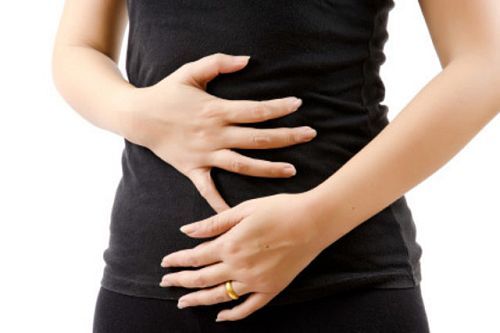
What is urinary incontinenece?
The involuntary loss of urine (uncontrolled leakage of pee)
What to expect in pregnancy?
- 1 in 3 women experience urinary incontinence during pregnancy and/or after birth
- WHY? During pregnancy, hormones make your muscles relax and your pelvic floor stretches in preparation for the birth of your baby/s. These hormonal changes are also responsible for your frequent night trips to the toilet. As your pregnancy progresses, the pressure of your baby/s over your bladder can make you leak urine when coughing, sneezing, laughing, running, jumping and lifting weights, such as shopping bags or your own children. Top tip: tighten your pelvic muscles before doing any of these activities.
- Just because it's a common problem doesn't mean it's normal, and you can't do anything about it. Here are some tips for a healthy bladder:
- Do pelvic floor exercises regularly during pregnancy. Click here for information on how to do them
- Drink plenty of fluid to keep you hydrated. Top tip: look at the colour of your pee. The ideal wee should be 1-3 healthy, with little or no smell and a good amount. A dribble is not enough.
-
Limit the amount of caffeine, fizzy drinks, alcohol, fruit juices and anything that contains caffeine, as they all irritate your bladder and make you need the toilet more often. Smoking also irritates the bladder.
-
Constipation is related to urinary incontinence. Pressure from a full bowel and too much strain can weaken your pelvic floor muscles and make it harder to control your urine. Excessive weight gain can also increase the pressure over your bladder. Top tip: Eat a healthy balanced diet with plenty of fibre and exercise regularly.
-
When passing urine, pay attention to the flow (weak or slow), feeling of emptiness (do you think you still need to go but you can't?) and hesitancy (trouble starting to pee or maintaining the flow). Top tip: Later in pregnancy, some women find it helps to rock backwards and forwards while they're on the toilet. This lessens the pressure of the womb on the bladder so you can empty it properly.
What to expect after having your baby
It is normal to have a weak sensation in your pelvic floor after birth, particularly if you had:
- a long labour
- an epidural
- a big baby
- an instrumental delivery (forceps or suction cup)
- a cut or a 3rd/4th degree tear
Current research estimates that it can take up to a year to fully recover from childbirth.
Some women are scared of peeing after labour. Top tip: you can pour some water when you pee or pee in the shower.
The first few times you pee after giving birth you might find some blood, which usually comes from your vagina (lochia) rather than your bladder. Keep an eye on the colour of your urine, flow, hesitancy and bladder emptiness.
Start your pelvic floor exercises as soon as possible and keep exercising throughout your life, like any other muscle. You might not have much feeling at the beginning, but the earlier you start, the better.
Drink plenty of fluids, keep caffeine to a minimum, and avoid constipation and smoking. Remember to tighten your pelvic floor muscles before lifting you baby/s or any other weight. Make sure you go to the toilet regularly. This might be hard when looking after a newborn baby, but you need to look after yourself too.
Some women experience abdominal muscle separation (diastasis recti), which has been linked with urinary incontinence and back pain. Talk to your midwife or GP if you are worried about this.
When to seek help
- pain or blood when you pee - it maybe a urine infection
- unable to empty your bladder
- leakage or urine despite measures mentioned above
- leakage of stools
Who to contact
Ask your midwife or contact your GP, they may refer you to a woman's health physiotherapist
Some areas of Wessex offer a self-referral service for women after giving birth, which means you can make an appointment to see an NHS physiotherapist without having to see a doctor first. Staff at your GP surgery or your local hospital should be able to tell you whether it's available in your area.
- If you maternity care was provided by University Hospital Southampton NHS Foundation Trust you can refer yourself within ten working days after your baby is born to the Women's health physiotherapy team at the Princess Anne on 023 8120 8967. If you have concerns beyond this time please make an appointment with your GP.
- If you have a Southampton GP postcode, you can self-refer on: Community Bladder & Bowel Service Bitterne Health Centre Commercial Street. Bitterne, Southampton SO18 6BT. Telephone: 0300 123 3795; E-mail snhs.bladderandbowelwest@nhs.net